

How to Plan a Commercial Remodeling Project Without Disrupting Daily Operations
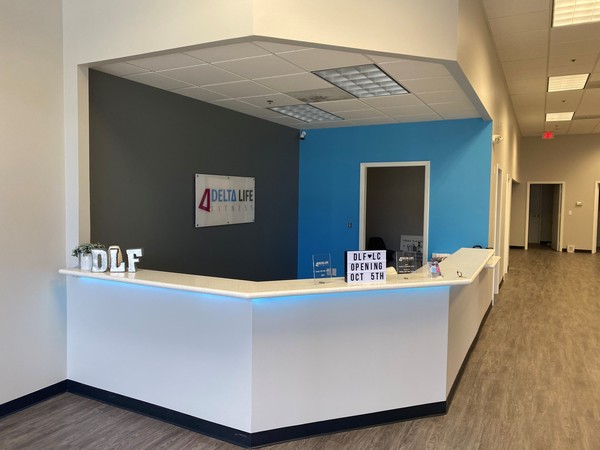
Smart commercial remodeling planning in Clear Lake, TX helps you upgrade your space without losing momentum. With a clear phasing strategy, tight communication, and the right partner, your team can keep serving customers while work progresses behind the scenes.
In this guide, you will learn how to phase work zones, schedule around peak hours, protect life-safety paths, and set expectations with staff and visitors. We will also outline the roles, checklists, and field practices that keep noise, dust, and downtime to a minimum. For scope alignment and buildability reviews, explore our commercial remodeling services early to confirm sequencing and site logistics.
Why Phased Commercial Remodeling Works For Active Businesses
Phasing breaks your project into bite-sized areas, so your team can keep operating while construction moves from zone to zone. This approach limits closures, allows continuous revenue, and gives you frequent checkpoints to review results before the next area begins.
Well-defined phases also simplify safety and cleanliness. Crews can isolate noise and dust, while customers and employees use clearly marked paths. This is especially helpful in busy Clear Lake corridors near NASA Road 1, Bay Area Boulevard, and around the Baybrook retail area, where access and parking turnover matter every hour.
Build A Disruption-Proof Plan: People, Space, And Schedule
Start by mapping three fundamentals: who is affected, which spaces they must access, and when they are busiest. From there, assign each phase a start and finish window, access route, and temporary location for displaced activities like check-in, conference rooms, or break areas.
- People: identify customer touchpoints, front-of-house roles, and back-of-house teams that must remain active.
- Space: define critical rooms, entry points, elevators, restrooms, and life-safety paths that must stay open.
- Schedule: block quiet hours, peak times, delivery windows, and cleaning intervals between shifts.
Schedule noisy work outside open hours and bundle tasks that create vibration, odor, or power interruptions so you reduce the number of events that impact staff and guests.
Coordinate Around Peak Hours And Seasonal Patterns In Clear Lake, TX
Traffic and customer flow change with local rhythms. Lunch demand near offices by the Johnson Space Center may spike between 11 a.m. and 1 p.m., while retail near Baybrook often sees heavier evening and weekend traffic. Plan the loudest and dustiest tasks for late nights or early mornings, and save visible finish work for slower midweek windows.
Weather also plays a role. Gulf humidity can extend curing or drying times, which affects turnover between phases. Build in buffers so your next area does not start until surfaces are ready and safe to walk.
Local insight: During hurricane season, plan contingency days and secure storage for materials so sudden storms do not stall your next phase. Keep a simple re-sequencing playbook ready for short-notice closures or power outages.
Site Safety, Access, And Cleanliness Standards
Set consistent site rules before work begins, then repeat them at every daily huddle. Visibility is key. Use temporary walls or containment, bright floor tape, and clear directional signs so people instantly know which paths are open.
Protect life-safety paths at all times. Keep exits, corridors, and stairs unobstructed. Post wayfinding at eye level and reinforce it with floor arrows. Maintain daily cleaning between shifts, and use high‑efficiency filtration in containment zones to reduce dust migration.
Communication That Keeps Everyone On The Same Page
Every successful live remodel has a single chain of command. Assign one owner representative and one superintendent to approve phasing, daily access, and any changes. Share a weekly two-page snapshot with the coming tasks, affected areas, and contact info for quick approvals.
- Cadence: a 15-minute standup every morning between the contractor lead and facility contact.
- Weekly snapshot: next seven days of work, what areas are impacted, and any anticipated shutdowns.
- Feedback loop: same-day notes from staff and customers to resolve issues before the next shift.
Always create a single point of contact so decisions are fast and consistent. Post their name and number at staff areas and reception so questions get answered quickly.
Technology, Noise, And Utility Shutdown Planning
Few things derail operations like a surprise outage. Catalog all systems in each phase before work starts. Note data rooms, network drops, Wi‑Fi access points, phone lines, point-of-sale locations, and any devices that run after hours. Test backups and label cords and panels so reconnection is quick.
For shutdowns, cluster tasks that require the same utilities off and on again. Give staff a clear timeline: when service goes down, when it returns, and who to call if it does not. Post signs the day before in the affected zones and confirm the morning of the work again.
Noise, Odor, And Vibration Controls
Even small changes can feel big to customers. Choose low‑odor products when possible and phase heavy drilling when the building is least active. Pre-cutting materials offsite, using quiet tools when available, and staging deliveries outside rush hours help you keep a calm environment.
Coordinate with neighboring tenants if you share walls or parking. A short, friendly notice reduces complaints and builds goodwill in mixed-use areas common around Clear Lake.
Temporary Workstations, Customer Paths, And Storage
Maintain business flow by setting up temporary check-in points, mobile point-of-sale, or pop-up workstations. Use simple signage and floor decals to guide visitors through new routes. Confirm ADA access and provide a short script for reception so directions are clear and polite.
Storage is often overlooked. Assign each phase a labeled staging area for new materials and a separate area for debris. This keeps egress clear and speeds up end-of-day cleaning.
Quality Controls Between Phases
Before you roll to the next area, walk the finished space with the contractor and your facility lead. Create a short punch list, fix items quickly, then open the area to staff and customers. This rhythm prevents small issues from compounding across the project.
If you are adding technology or furniture, schedule installers to follow right after paint and flooring cure. That way, teams can move in once, not twice.
Budget And Schedule Guardrails Without Guessing
Live remodels add variables, so track guardrails instead of rigid promises. Use not-to-exceed allowances for items that vary by building condition or season, and review them at each phase gate. Transparent updates help you make informed choices without surprises.
Stronger Outcomes With The Right Contractor Partnership
Your contractor should bring clean site practices, night and weekend crews, and experience working in occupied buildings. Ask for a sample phasing plan and a cleaning checklist from a recent project. If they can explain how they protected exits, managed dust, and handled deliveries at odd hours, you are on the right track.
Explore how Brand Construction Services plans containment, staging, and turnover on active sites by reviewing our commercial remodeling services. You can also learn about team structure, quality controls, and how we keep operations running while spaces evolve.
Final Readiness Checklist Before Construction Starts
Use this simple pre-start checklist to confirm you are ready for day one:
- Phases mapped with dates, access routes, and temporary locations for affected functions.
- Daily cleaning plan, containment details, and after-hours work windows confirmed.
- Utility shutdowns scheduled with notices posted and backups tested.
- Wayfinding signs printed and staff briefed on customer scripts.
- Storage and debris paths assigned, with loading and delivery times coordinated.
Keep a written change process so any scope shift routes through one approver, one schedule update, and one public notice. This keeps messaging tight and reduces confusion at the front desk.
When To Start In Clear Lake, TX
For many offices and retailers, late summer to early fall can work well if your team is past peak vacation schedules, though you should keep an eye on storms. Spring often brings steady foot traffic with fewer major holidays. Match your start to your own sales cycle and vendor lead times.
If you are considering a broader refresh later, bookmark this page and share it with your leadership team. For a high-level overview of services that support planning and execution, you can begin with commercial remodeling in Clear Lake, TX to see how strategy connects with construction.
Choose The Right Partner For A Smooth Remodel
The best projects feel calm because they are planned that way. Your teams know where to go, customers feel welcomed, and work finishes cleanly one zone at a time. Brand Construction Services coordinates phasing, safety, and communication so your business can keep moving.
Ready to plan a commercial remodeling project without disrupting daily operations? We can help you map phases, protect key routes, and schedule work around your busiest hours. Call us at 281-724-9652 to discuss your space and timeline with a project lead.
If you want a partner who treats operations as the top priority, connect with an office renovation contractor who understands active sites and clear communication.